A friend of mine spent $45,000 putting a pool in his backyard. He was convinced it would “add value” to the house. When he sold three years later, the appraiser credited the pool at a fraction of what it cost — and one buyer walked away specifically because she didn’t want the maintenance. He’d have been better off lighting the money on fire, because at least then he wouldn’t have had to clean it.
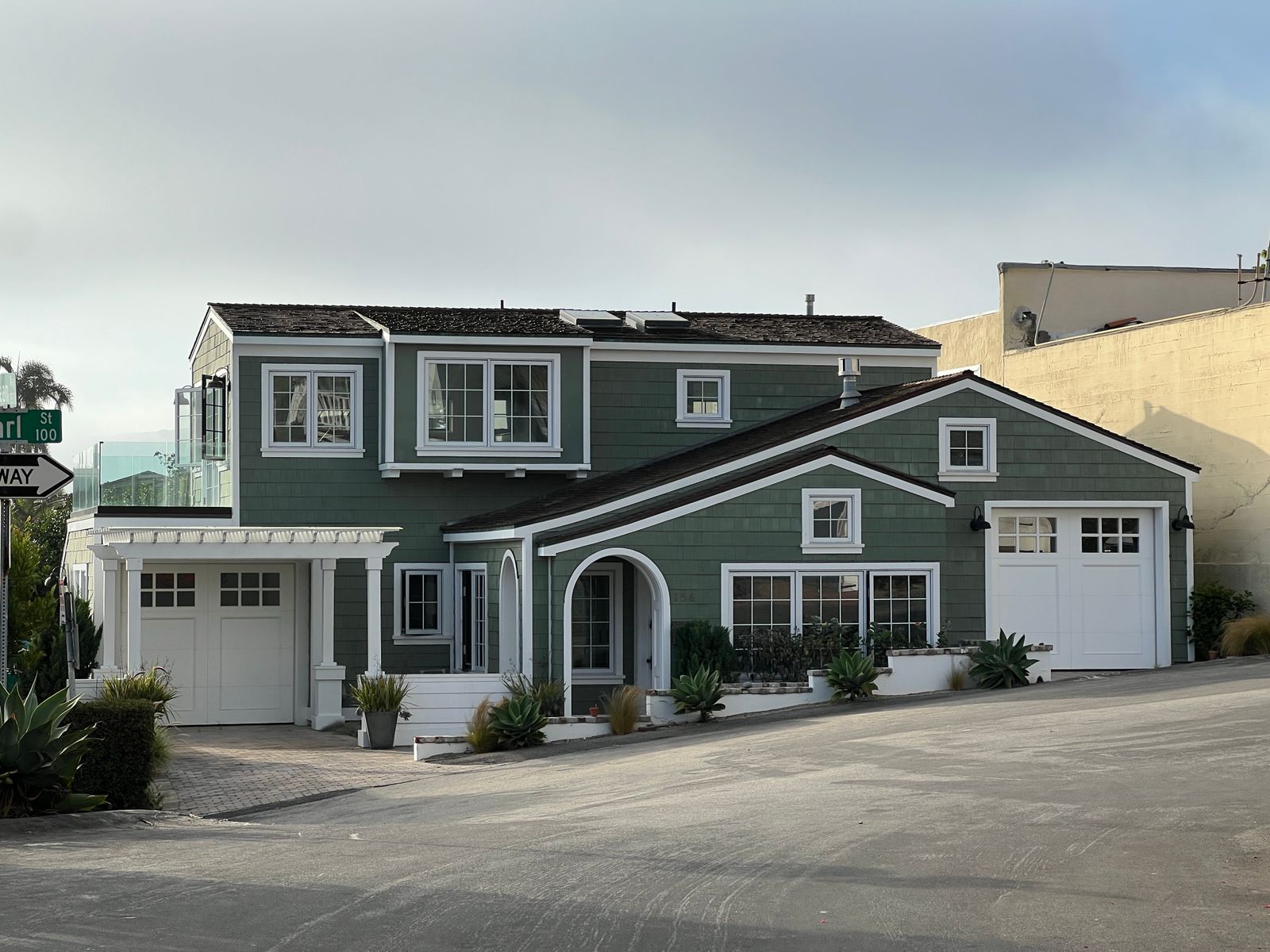
Meanwhile, another friend spent $3,500 replacing her garage door and repainting her front exterior. Her house sold in nine days, over asking, with the buyers’ agent specifically mentioning the curb appeal.
Renovation ROI — return on investment — is one of the most misunderstood ideas in homeownership. People assume expensive renovations add the most value. The truth is almost the opposite: the cheapest, least glamorous projects usually pay back the best, and the big dream projects usually pay back the worst. Let me show you exactly which is which.
First: What “ROI” Actually Means Here (Read This Before the List)
When people talk about renovation ROI, they usually mean cost recouped at resale: if you spend $20,000 and the home sells for $15,000 more because of it, that’s roughly 75% recouped. Notice that even the best projects rarely return more than 100% — you’re usually not profiting, you’re minimizing loss while getting to enjoy the upgrade.
That distinction matters. A kitchen remodel you enjoy for ten years and then recoup 70% of is a great deal — you got a decade of better cooking plus most of your money back. The same remodel done purely to flip the house is a much thinner proposition.
Two more rules before we start. Rule one: never over-improve for your neighborhood. A $80,000 luxury kitchen in a neighborhood of $300,000 homes won’t appraise — appraisers compare to nearby sales, and your house can’t be worth dramatically more than its neighbors no matter how nice the marble is. The sweet spot is renovating to the level of your neighborhood, not above it.
Rule two: universal beats personal. Projects with broad appeal (a clean modern bathroom, a working garage door, fresh paint) pay back. Projects reflecting your specific taste (a wine cellar, a home theater, a themed bedroom) mostly pay you in enjoyment, not resale dollars. Nothing wrong with those — just don’t confuse them with investments.
1. Garage Door Replacement
The unsexy champion. Year after year, replacing an old garage door with a modern insulated one ranks among the highest-ROI projects you can do, and it typically costs $3,500–$5,000 installed. Why does it pay back so well? Because the garage door can be a third of your home’s front face. A dented, faded door drags down the whole exterior; a clean modern one transforms it in a single afternoon.
The mistake people make: buying the fanciest carriage-style door with windows and decorative hardware for double the price. The ROI lives in the basic modern insulated door. Go mid-range, get it installed professionally (garage door springs are genuinely dangerous — this is not a DIY project), and enjoy one of the cheapest facelifts in homeownership.
2. Steel Entry Door Replacement
Same logic, smaller canvas. Your front door is the handshake of your house. A new steel entry door — typically $2,000–$3,500 installed — consistently ranks near the top of value-for-money projects. Steel beats wood and fiberglass on cost-effectiveness: it’s secure, energy-efficient, and looks sharp with a good paint job.
Pro tip that costs almost nothing: if your door is structurally fine, sometimes all it needs is new hardware ($100–$200 for a quality handle set), a fresh coat of paint in a bold color, and updated house numbers. I’ve seen $150 of door hardware and paint do 80% of the work of a full replacement. Try that first.
3. Minor Kitchen Remodel (Not the Gut Job)
This is the most important distinction in the entire article. A minor kitchen remodel — refacing or painting cabinets, new countertops, new sink and faucet, updated hardware, maybe new appliances — recoups far better than a major gut renovation. The minor version might run $15,000–$30,000; the major version $60,000–$100,000+. The major one does not return proportionally more. Not even close.
Here’s why: buyers respond to “clean, modern, functional.” They don’t pay extra because your cabinets are custom-built versus refaced, or because your range cost $8,000 instead of $2,500. The visible freshness is what moves the needle.
My own kitchen taught me this. The cabinets were solid wood but stained a depressing 1990s honey color. Instead of replacing them ($18,000 quote), I had them professionally painted ($3,200), added new quartz countertops, a deep farmhouse sink, and matte black hardware. Total: under $9,000. Three separate visitors have since asked who did our “new kitchen.” It’s the same kitchen. It just stopped looking tired.
The one place to spend in a kitchen: lighting. Under-cabinet lights ($200–$500) and a couple of pendant lights transform how a kitchen feels for almost no money. Kitchens are judged emotionally — bright and clean wins.
4. Bathroom Refresh
Bathrooms are the second room buyers scrutinize, and they’re cheaper to fix than kitchens. A full bathroom gut can run $15,000–$30,000, but a smart refresh — new vanity, modern mirror, updated lighting, fresh caulk and grout, a new toilet seat or toilet, refinished tub — can land under $5,000 and deliver most of the visual impact.
The highest-leverage bathroom move: reglazing the tub ($400–$700) instead of replacing it ($2,000–$4,000 with tile work). A reglazed tub looks brand new. Nobody at an open house can tell the difference.
And fix the grout. Discolored, cracked grout makes an entire bathroom feel dirty even when it’s clean. A weekend of grout cleaning or re-grouting ($100 in materials) is the single best dollar-for-dollar bathroom improvement that exists.
5. Siding and Exterior Refresh
Curb appeal isn’t vanity — it’s the first filter every buyer applies, and appraisers notice it too. Replacing worn siding (vinyl or fiber cement) is a bigger project ($12,000–$20,000 for a typical home) but consistently recoups well because it solves two problems at once: appearance and the buyer’s fear of hidden exterior damage.
Can’t swing full siding? The budget version works surprisingly well: pressure wash everything ($200 rental or $300–$500 hired), repaint trim and shutters, replace the mailbox, and add new exterior light fixtures. A house that looks maintained sells the story that it is maintained — and that story is worth real money.
6. Deck Addition or Outdoor Living Upgrade
Outdoor living space has only gotten more valuable — people want somewhere to sit outside, and a deck delivers it cheaper than any interior addition. A basic wood deck runs $8,000–$15,000; composite costs more upfront but needs almost no maintenance, which buyers love.
Keep it simple and proportional. A deck should feel like a natural extension of the house, not a second mortgage. And check your local permit requirements before building — unpermitted structures are a resale nightmare that can kill deals during inspection.
No room or budget for a deck? A defined patio area with pavers, a few planters, and string lights creates 70% of the feeling for 20% of the cost. Outdoor space sells a lifestyle; you don’t need a contractor to suggest one.
7. Attic Insulation and Energy Upgrades
The most boring entry on this list and one of the smartest. Adding attic insulation to reach modern R-values typically costs $1,500–$3,500 and pays back through lower energy bills — often noticeably within a couple of heating/cooling seasons. It’s also one of the few projects that pays you twice: monthly savings while you live there, plus an energy-efficiency story that matters to buyers.
While you’re at it: seal air leaks around windows and doors, add a programmable or smart thermostat ($150–$250), and swap remaining incandescent bulbs for LEDs. None of this is exciting. All of it shows up on the utility bill, which is the one home expense every buyer asks about.
8. Landscaping and Curb Appeal
Landscaping is the rare project where sweat equity genuinely multiplies your money. A thoughtful front-yard refresh — fresh mulch, trimmed bushes, a few new plantings, defined bed edges, a mowed and edged lawn — can cost $500–$3,000 and transform first impressions completely.
The key word is defined. Buyers don’t need a botanical garden; they need to see that the yard is intentional, not neglected. Clean bed lines, mulch with no weeds poking through, shrubs trimmed below window height, and nothing dead. That’s 90% of landscaping ROI right there.
One warning: don’t plant high-maintenance landscaping right before selling. Elaborate gardens read as “weekend work” to buyers, not luxury. Simple, tidy, and low-maintenance wins. Native plants that thrive without fuss are ideal — they look good and signal low upkeep costs.
9. Interior Paint
A gallon of paint is roughly $40–$60. A whole house interior repaint by professionals runs $3,000–$7,000 depending on size. There is no cheaper transformation in all of homeownership.
Paint fixes everything buyers flinch at: scuffed walls, dated colors, rooms that feel dark or small. Stick to warm neutrals — soft whites, warm grays, greige — because bold colors are personal taste and personal taste narrows your buyer pool. You can love your navy accent wall; just know it’s your wall, not an investment.
Do the ceilings too, especially if they’re stained or yellowed. People forget ceilings, and clean white ceilings make every room feel taller and brighter. It’s the detail that makes buyers say a house feels “fresh” without knowing why.
10. Refinishing Hardwood Floors
If your home has hardwood hiding under carpet — and a surprising number of older homes do — refinishing it is one of the best-value projects available. Professional refinishing runs $3–$8 per square foot; a 1,000-square-foot main floor might cost $3,000–$8,000. Compare that to installing new hardwood ($8–$15+ per square foot) and the math is obvious.
Refinished hardwood photographs beautifully, feels premium underfoot, and signals quality to buyers in a way carpet never will. If you’re choosing between new carpet ($3–$6/sq ft installed) and refinishing existing hardwood, the hardwood wins on both cost and resale appeal almost every time.
Already have hardwood in decent shape? A screen-and-recoat (light sanding plus a fresh topcoat, roughly half the cost of full refinishing) can make worn floors look new in a day or two.
The Other Side: Renovations That Usually DON’T Pay Back
Honesty requires the flip side. These are popular projects with poor resale ROI — fine to do for your own enjoyment, dangerous to do as investments:
Swimming pools. As my friend learned: $40,000–$60,000 to install, minimal appraisal credit, ongoing maintenance costs that scare some buyers away. In hot climates with year-round swim seasons they fare better; everywhere else, they’re a lifestyle purchase, not an investment.
Luxury master suite additions. Adding a high-end primary bedroom and bath can cost $100,000–$200,000 and recoup far less, because appraisals are anchored to comparable homes — and the comps don’t have your $30,000 soaking tub.
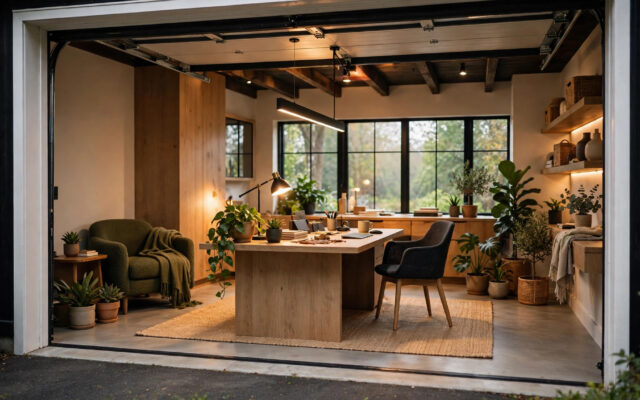
Home office conversions (garage-to-office, etc.). Converting a garage into living space often reduces value in markets where garages are expected. Buyers count bedrooms and garages; they don’t pay extra for your former garage that’s now a very nice office.
High-end landscaping and outdoor kitchens. A $50,000 outdoor kitchen is wonderful to use and nearly invisible on an appraisal. Keep outdoor spending proportional — the patio and grill setup, yes; the built-in pizza oven with its own plumbing, only if you’ll enjoy it for years.
Any renovation priced for a richer neighborhood. This is the over-improvement trap again: the $25,000 bathroom in the $250,000 house. Match your spending to your market, always.
How to Prioritize: My Actual Advice
If I had to rank where to put renovation money, the order would be: fix what’s broken first (roof leaks, broken HVAC, water damage — deferred maintenance kills value faster than any upgrade adds it), then curb appeal (garage door, entry, paint, landscaping — cheap, fast, high-impact), then kitchens and baths (minor refreshes, not gut jobs), then energy efficiency (insulation, windows only if they’re truly failing).
Get three quotes for everything. The spread between contractors is routinely 30–50% for identical work, and the cheapest quote isn’t always the worst — but the most expensive is rarely the best. Check licenses, check references from the last year (not five years ago), and never pay more than 10–20% upfront.
And time it right: contractors are hungriest in late fall and winter in most markets. The same project quoted in April’s rush can cost meaningfully less in November. Patience isn’t just a virtue in renovations — it’s a discount.
The through-line of this whole list: the best renovation investments are the ones buyers notice in the first thirty seconds — the door, the exterior, the fresh paint, the clean kitchen — not the ones you had to explain. Spend where eyes land, fix what inspectors flag, and keep the dream projects for the house you plan to die in. That’s not cynicism. That’s just how the money works.
DIY vs. Hiring Out: Where Your Time Actually Pays
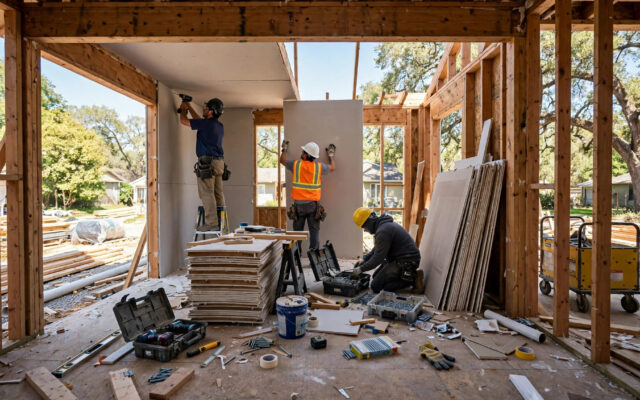
ROI isn’t just about what the project costs — it’s about what you spend to get it done. Labor is typically 40–60% of a renovation budget, so DIY can dramatically change the math. But only on the right projects.
Safe, high-value DIY: interior painting, landscaping and mulch, cabinet hardware, light fixtures (swapping existing ones, not new wiring), grout cleaning, caulking, smart thermostats, door hardware. These are low-risk, hard to mess up badly, and the savings go straight to your ROI.
Hire a pro, no debate: anything electrical beyond swapping a fixture, anything plumbing beyond a faucet, structural work, roofing, garage door installation (those springs can kill), and gas lines. A botched DIY electrical job doesn’t just look bad — it fails inspection, voids insurance, and can burn your house down. The “savings” evaporate the moment a buyer’s inspector flags unpermitted work.
The middle ground — tiling, drywall, flooring — depends on your skill and patience. Be honest about both. A bad tile job is worse than old tile; buyers see crooked grout lines instantly. If you’ve never tiled, your bathroom floor is not the classroom. Practice on a laundry room or hire it out.
One more DIY trap: permits. Many homeowners skip permits to save a few hundred dollars, then discover at sale time that unpermitted work must be disclosed, can derail financing, and sometimes must be torn out. If your municipality requires a permit, get the permit. It’s the cheapest insurance in construction.
How to Pay for It Without Regret
The financing method changes the real ROI of every project on this list, because interest is a cost too.
Cash is king for projects under $10,000. If you can’t cash-flow it, that’s useful information — it might mean the project can wait, or the scope should shrink.
Home equity loan or HELOC makes sense for larger projects on a home you plan to keep. Rates are typically far better than credit cards, and the interest may be tax-deductible if the money improves the home (check current tax rules or ask a tax pro — this changes). The danger: you’re borrowing against your house. A HELOC used for a pool you can’t afford is how people end up underwater.
Credit cards are for materials you can pay off within the billing cycle — the rewards points are nice, the 20%+ interest is not. Financing a $15,000 kitchen on a credit card turns a good-ROI project into a bad one through interest alone.
My rule of thumb: don’t borrow for cosmetic projects. If it’s paint, landscaping, or hardware, save up and pay cash — the amounts are small enough that waiting a few months costs nothing. Borrow only for structural or system work (roof, HVAC, foundation) where delay causes damage, or for projects large enough that financing costs are dwarfed by the value added. And never borrow the maximum — borrow the minimum that gets the job done right.