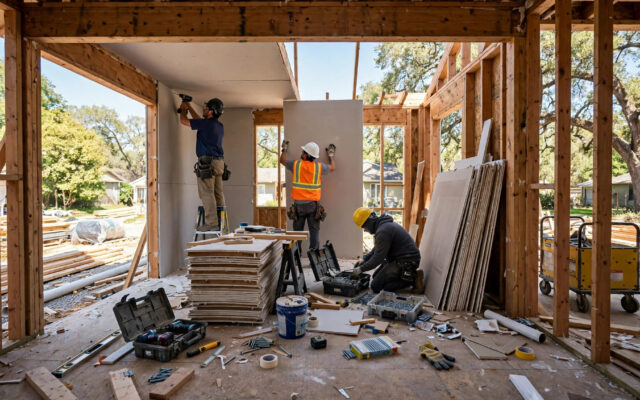
Hiring a contractor is one of the highest-stakes decisions a homeowner ever makes. The person you choose will be inside your home for weeks or months, tearing open walls, touching your electrical and plumbing systems, and spending tens of thousands of your dollars. Get it right, and you’ll wonder why you ever dreaded renovations. Get it wrong, and you could end up with an unfinished kitchen, a drained bank account, and months of stress that no warranty can fix.
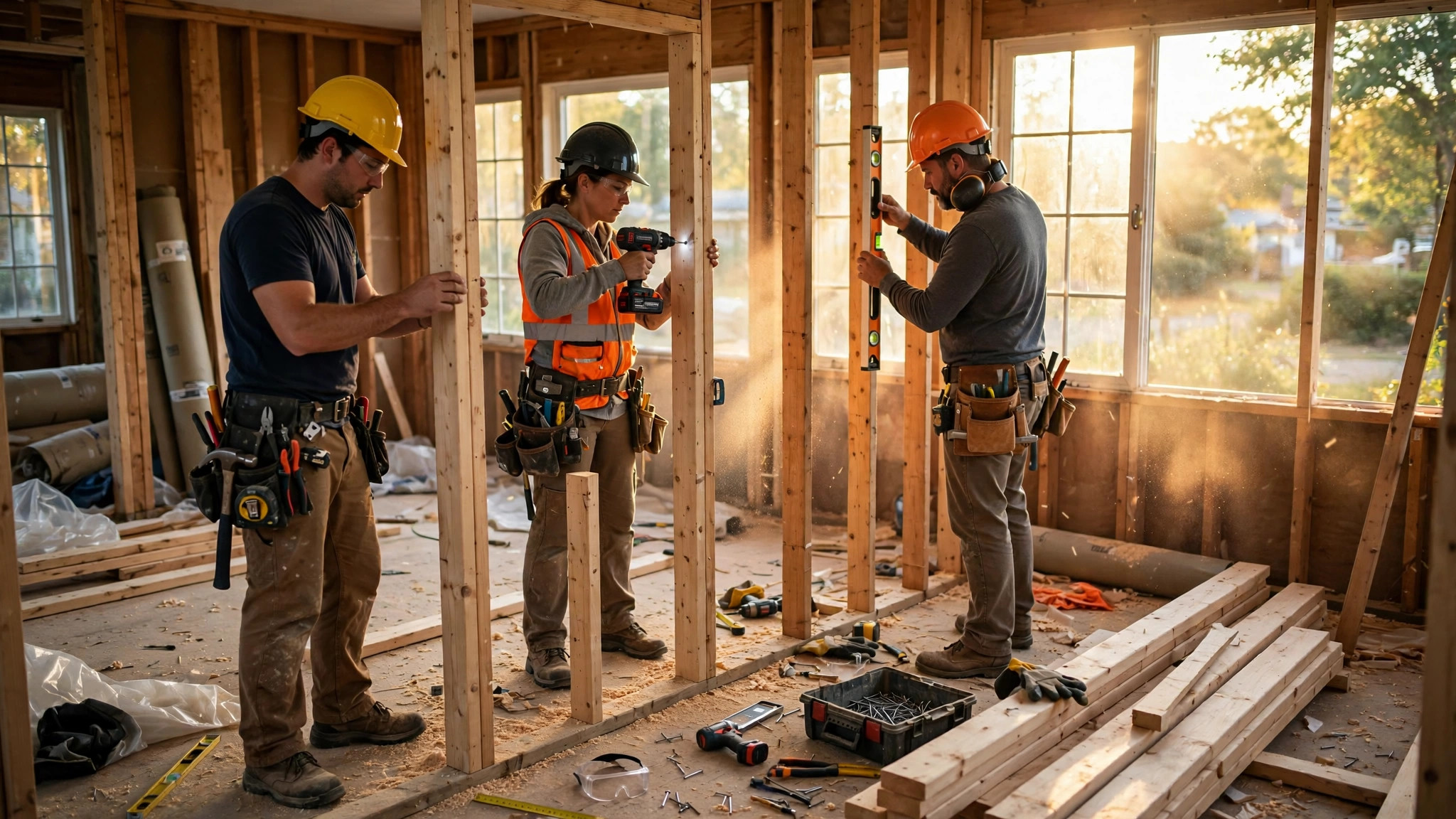
The difference between those two outcomes almost never comes down to luck. Good contractors leave a trail of green flags — licenses you can verify, contracts in plain language, past clients who answer the phone. Bad contractors leave a trail of red flags just as clear — pressure tactics, cash-only deals, and phone numbers that go dead the moment a check clears. The problem is that most homeowners don’t know which signs to look for until they’ve already signed. This guide changes that.
Below, you’ll learn where to actually find reputable contractors (and where not to), the specific green flags that mark a true professional, the red flags that should send you walking away immediately, the exact questions to ask before you hire anyone, and how to structure a contract that protects you. Whether you’re planning a full kitchen remodel or a simple bathroom refresh, these principles apply.
Why the Right Contractor Matters More Than You Think
A renovation is not a product you buy off a shelf. It’s a service performed over time, inside your living space, with variables nobody can fully predict — what the framing looks like behind the drywall, whether the subfloor is level, how a 1950s electrical panel handles a modern load. A skilled contractor absorbs that uncertainty with experience: they’ve opened a hundred walls and know what to check first, which problems are cosmetic, and which are structural.
An unqualified contractor does the opposite. They transfer the uncertainty to you. When they discover the subfloor is rotted, they don’t have a plan — they have a surprise invoice. When the inspector flags the electrical work, they vanish instead of fixing it. The cost of a bad contractor is never just the money you paid them; it’s the money you pay the next contractor to undo their work, the months of delay, and the safety issues you discover later.
Consider the math honestly. The difference between a solid mid-range contractor and a suspiciously cheap one might be 15 to 25 percent on the bid. On a $40,000 project, that’s $6,000 to $10,000. That gap buys you a licensed, insured professional who pulls permits, shows up on schedule, and stands behind the work. The cheap bid buys you risk — and risk in construction almost always costs more than the premium you were trying to avoid. Studies of renovation disputes consistently show the same pattern: most of the worst outcomes started with a bid that seemed too good to be true. It was.
Where to Actually Find Good Contractors
Before you can evaluate contractors, you have to find candidates worth evaluating. The source matters more than most people realize, because different channels carry very different levels of accountability.
Personal referrals — still the gold standard
Ask friends, neighbors, coworkers, and family members who have completed similar projects in the last few years. But don’t just ask “did you like them?” Ask better questions: Did they finish on the schedule they promised? Did the final price match the contract, and if not, were the changes documented and fair? Would you hire them again for the same project? A referral is only useful if it’s recent and for comparable work — a great painter is not necessarily a great kitchen remodeler.
Neighborhood apps and local community groups can extend this network, but treat anonymous online reviews as a starting point, not a verdict. Look for patterns across many reviews rather than individual praise or complaints: consistent comments about communication, cleanliness, and schedule reliability tell you far more than one five-star rave.
Trade associations and licensing boards
Organizations like the National Association of the Remodeling Industry (NARI), the National Association of Home Builders (NAHB), and your state’s contractor licensing board maintain directories of members in good standing. Membership doesn’t guarantee excellence, but it does signal a professional who invests in the trade — and licensing boards let you verify credentials and check for disciplinary actions, which is something no review site can do.
Building supply yards and specialty stores
Here’s a source most homeowners overlook: the pro desk at your local lumber yard, tile shop, or plumbing supply house. These businesses see contractors every day. They know who pays their bills on time, who orders carefully and returns rarely, and who shows up with detailed plans versus vague sketches. Ask a counter veteran “who would you hire for your own kitchen?” and listen carefully to the answer.
Where to be cautious
Be wary of contractors who find you — the door-knocker after a storm, the flyer on your windshield, the cold caller offering a “today only” discount. Legitimate, in-demand contractors rarely need to hunt for work this way. That doesn’t mean every solicitor is a scammer, but the unsolicited approach is a classic setup for high-pressure sales and deposit fraud, especially after natural disasters when homeowners are vulnerable.
Green Flags: Signs of a True Professional
A great contractor demonstrates professionalism before the first wall comes down. Watch for these positive signals during your first conversations and estimate meetings.
1. Proper licensing and insurance — verified, not claimed
A professional contractor carries the licenses your state or municipality requires and can produce the license number without hesitation. More importantly, they expect you to verify it. They carry general liability insurance and workers’ compensation coverage, and they’ll provide certificates of insurance naming you as the certificate holder. This is non-negotiable: if an uninsured worker is injured on your property, you can be held liable. Ask for the paperwork, then call the insurer to confirm the policy is current. A real pro will respect you for checking.
2. A detailed, written estimate — not a number on a napkin
Green-flag estimates are specific. They break the project into line items: demolition, framing, electrical, plumbing, drywall, flooring, fixtures, finishes. They name materials or at least material grades. They state what’s included and, just as importantly, what’s excluded. A vague one-page quote for “$38,000 — full kitchen remodel” tells you nothing about what you’re actually buying and gives the contractor unlimited room to claim later that something “wasn’t in the bid.” Detail is a sign of a contractor who has thought the project through.
3. A real contract with clear terms
Professionals put everything in writing: scope of work, materials, start and completion dates, payment schedule, change-order process, warranty terms, and how disputes get resolved. The contract should tie payments to completed milestones — never a giant deposit up front. A typical safe structure is a modest deposit (often 10 percent or less, or whatever your state caps), followed by payments as defined phases complete, with a meaningful final payment held until the work passes inspection and you sign off. A contractor who resists a written contract, or who hands you a two-paragraph “agreement,” is telling you something.
4. Verifiable references — recent and reachable
Ask for three to five references from projects completed in the last year or two, ideally similar in scope to yours. Then actually call them. Ask about schedule adherence, budget accuracy, communication quality, how the crew treated the home, and how the contractor handled problems — because problems always arise, and the measure of a contractor is how they respond. Even better, ask if you can see a finished project in person. Most proud professionals will arrange it; most bad ones will have excuses.
5. They pull permits — and insist on inspections
A contractor who suggests skipping permits to “save money and time” is asking you to accept enormous risk: unpermitted work can void your homeowner’s insurance, torpedo a future sale, and leave you liable for code violations. Good contractors pull permits as a matter of routine and welcome inspections, because inspections validate their work. Permit costs are modest relative to project budgets, and the protection they provide is enormous.
6. Clear, prompt communication
Notice how the contractor communicates before you hire them, because it only gets worse after. Do they return calls within a day? Do they answer questions directly or dodge them? Do they explain trade-offs in plain language instead of hiding behind jargon? The best contractors are also educators — they’ll tell you when your idea won’t work and propose alternatives. A contractor who nods along to everything you say, no matter how impractical, is not agreeing with you; they’re avoiding a conversation they should be having.
7. A physical business presence
A real business has a real address, a business phone number, a website or at least a professional online footprint, and branded materials. A contractor operating entirely out of a pickup truck with a disposable phone number can disappear overnight — and many do. Longevity matters too: a company that’s been operating under the same name for a decade has a reputation to protect. Be cautious of businesses that are brand new or that have recently changed names, which can be a tactic to shed a bad history.
Red Flags: When to Walk Away Immediately
If green flags are signs of professionalism, red flags are warnings of trouble — sometimes outright fraud. Any one of these should make you pause; two or more should end the conversation.
Demanding a large deposit or full payment up front
The classic scam pattern: a contractor asks for 50 percent or more before work begins, then disappears, does a day of demolition, or strings you along with excuses. Legitimate contractors have credit lines and ongoing cash flow; they don’t need your life savings to buy materials. Many states cap deposits by law (commonly 10 percent or a fixed dollar amount). If a contractor demands most of the money before lifting a hammer, walk away.
Cash-only deals and “discounts” for skipping paperwork
“Pay cash and I’ll knock 20 percent off” sounds tempting, but it means no contract, no receipt, no paper trail, and no recourse. It also usually means no permits, no insurance, and no taxes — which tells you everything about how this person runs a business. Every legitimate transaction in a renovation should be documented. If someone needs the deal to be invisible, ask yourself what else they’re hiding.
No license, no insurance, no references
Excuses vary — “the license is being renewed,” “insurance is too expensive for small jobs,” “my clients value their privacy” — but the result is the same: you absorb all the risk. An unlicensed contractor can’t pull permits, which means the work can’t be inspected. An uninsured contractor puts your assets on the line. A contractor with no references has no track record you can check. Any one of these is disqualifying on its own.
High-pressure sales tactics
“This price is only good if you sign today.” “I have a crew available this week, but only if you decide now.” “My supplier is raising prices tomorrow.” These are pressure tactics designed to stop you from getting competing bids or checking references — because the contractor knows that either step would kill the deal. A professional with real demand for their work doesn’t need to manufacture urgency. Take your time; the right contractor will still be there next week.
The bid is dramatically lower than everyone else’s
If three contractors bid $42,000, $45,000, and $39,000, and a fourth bids $24,000, that fourth bid is not a bargain — it’s a warning. It means the contractor misunderstood the scope, plans to cut corners on materials or labor, intends to pile on change orders later, or simply won’t finish. Outlier low bids are one of the most reliable predictors of project failure. Competitive bidding works when bids cluster; an outlier deserves skepticism, not celebration.
Unwillingness to put things in writing
Verbal promises in construction are worth nothing. “Don’t worry, we’ll take care of that” evaporates the moment there’s a dispute. A contractor who resists detailed contracts, written change orders, or documented payment schedules is preserving their ability to reinterpret the deal later. Professionals document everything because it protects both sides.
Poor communication from the start
Missed appointments, unanswered calls, vague answers, showing up late to the estimate — these aren’t minor annoyances; they’re previews. The courtship phase is when a contractor is on their best behavior. If communication is bad now, imagine what it looks like when your kitchen is gutted and the tile is three weeks late.
They badmouth every previous client and competitor
Pay attention to how a contractor talks about others. Someone whose every former client was “impossible” and every competitor is “a crook” is telling you how they’ll describe you when things go sideways. Professionals discuss past challenges factually and focus on what they learned.
The Interview: Questions to Ask Every Contractor
Treat the estimate meeting as a job interview — because it is one, and you’re the employer. Beyond discussing the project itself, ask these questions and note not just the answers but how confidently they’re given.
- Are you licensed for this work in my area, and can I verify it? Get the license number and check it with the licensing board before you sign anything.
- Can you provide certificates of insurance for general liability and workers’ compensation? Then verify they’re current with the insurer.
- How many projects like mine have you completed in the last year? You want relevant, recent experience — not a jack-of-all-trades who’s done one bathroom in 2019.
- Who will actually be on site each day, and who supervises? Many contractors sell the job and send a crew you’ve never met. Know who the project manager is and how to reach them.
- Will you use subcontractors? Which trades, and are they insured? Subcontractors are normal, but you should know who they are and confirm coverage extends to them.
- What is your projected start date and completion timeline? Then ask what could delay it. An honest contractor names risks; a salesman promises certainty.
- How do you handle change orders? The right answer: everything in writing, priced before the work is done, signed by both parties. The wrong answer: a shrug.
- What kind of warranty do you offer on labor? One year is a common minimum for workmanship; be wary of anyone offering none.
- How do you protect the rest of the house during construction? Dust barriers, floor protection, daily cleanup — the answer reveals how they treat your home.
- Can I visit a current job site? A live site shows you their real working conditions: organization, cleanliness, safety, and crew conduct.
Estimates and Contracts: Reading the Fine Print
Get at least three detailed bids for any significant project. When they come in, resist the urge to compare only the bottom line. Instead, compare scope line by line: Is the tile allowance realistic or suspiciously low? Does the bid include permits, dumpsters, and cleanup? Are fixtures and finishes specified, or will you be nickel-and-dimed with “allowances” that don’t cover anything you’d actually choose?
Allowances deserve special attention. A low allowance for cabinets or countertops makes a bid look cheaper while guaranteeing overruns later. Ask the contractor to base allowances on real selections — visit the showroom, pick the actual products, and have the bid reflect them. The most honest bid is the one built on decisions already made.
Your contract should include: a detailed scope of work; specific materials and brands (or the process for selecting them); start and completion dates; a payment schedule tied to milestones; the change-order procedure; warranty terms; proof of insurance; permit responsibility; cleanup and protection commitments; and a termination clause explaining how either party can end the deal. Read every word. If something is unclear, ask for it in plain language — and get the clarification in writing as an addendum.
One more critical point: never make the final payment until the work is complete, has passed final inspection, and you’ve done a thorough walkthrough with a punch list. That last 10 percent is your leverage. Once it’s paid, your leverage is gone. Good contractors understand this and will never pressure you to release it early.
Managing the Project Once It Starts
Hiring well is half the battle; the other half is staying engaged without micromanaging. Establish a regular check-in rhythm — a brief weekly walkthrough or call works for most projects. Document everything in writing: decisions, changes, delays, and payments. Photos of progress are invaluable if disputes arise later.
Expect surprises, especially in older homes. The difference between a good project and a disaster isn’t whether surprises happen — it’s whether the contractor communicates them immediately, prices the fix fairly, and gets your written approval before proceeding. Build a contingency of 10 to 20 percent into your budget for exactly this reason; it’s not pessimism, it’s realism.
Finally, be a good client. Pay on time when milestones are met. Make decisions promptly — nothing stalls a project like a homeowner who can’t choose tile for three weeks. Keep the work area accessible and communicate respectfully. The best contractor relationships are partnerships, and contractors prioritize the clients who make their crews’ lives reasonable.
Frequently Asked Questions
How many bids should I get before hiring a contractor?
A: Three detailed bids is the standard recommendation for significant projects. Fewer than three and you can’t calibrate the market; more than five and you’re spending everyone’s time without learning much new. Make sure each contractor is bidding on the same scope — give them all the same plans and material expectations so the comparison is meaningful.
What’s a reasonable deposit for a contractor to ask for?
A: Many states cap deposits at 10 percent of the contract price or a fixed amount (often around $1,000) — check your local laws. A modest deposit to secure scheduling and order long-lead materials is normal. Demands for 30, 50, or 100 percent up front are major red flags. Structure remaining payments around completed milestones, and always hold back a final payment of around 10 percent until the punch list is done and inspections pass.
Should I hire the cheapest bidder to save money?
A: Almost never. A bid far below the others usually signals misunderstood scope, planned corner-cutting, or future change-order padding. The goal is the best value — a fair price from a licensed, insured, well-reviewed contractor with a detailed bid. Paying a bit more for competence is the cheapest insurance in renovation.
Do I really need permits for a small remodel?
A: If the work touches structural, electrical, plumbing, or HVAC systems — or changes the footprint of the home — you almost certainly need permits. Cosmetic work like painting or replacing fixtures usually doesn’t. When in doubt, call your local building department; the call is free. A contractor who discourages permits is a contractor to avoid.
What should I do if my contractor stops showing up?
A: First, communicate in writing: send a letter or email stating the problem and requesting a response by a specific date, referencing your contract’s timeline. Document everything — dates, photos, payments made. If there’s no response, consult a construction attorney before taking further action; depending on your state, you may file a complaint with the licensing board, pursue the contractor’s bond, or take legal action. This is exactly why contracts, documented payments, and licensed contractors matter: they give you options.
Is it better to hire a general contractor or manage subcontractors myself?
A: For anything beyond very simple projects, hire a general contractor. Coordinating electricians, plumbers, drywallers, and inspectors requires scheduling expertise and trade knowledge most homeowners don’t have — and when something goes wrong between trades, each subcontractor blames the other. A general contractor owns the whole outcome. Owner-managing only makes sense if you have construction experience and abundant free time.
How long should a contractor’s workmanship warranty last?
A: One year is the common minimum for labor warranties, and many reputable contractors offer two. Manufacturer warranties cover materials separately (and are often longer). Get the warranty terms in writing, including what’s covered, what’s excluded, and how to make a claim. A contractor who offers no warranty is telling you they don’t stand behind their work.
Conclusion: Trust, but Verify
Finding a good contractor isn’t about luck or charm — it’s a process. Source candidates from referrals and reputable directories, verify licenses and insurance yourself, demand detailed bids and real contracts, interview with intention, and walk away from red flags without guilt or second-guessing. The few hours you spend vetting will pay for themselves many times over in a project that finishes on time, on budget, and built to last.
Remember the golden rule of hiring for your home: trust, but verify. The best contractors in the business won’t be offended by your due diligence — they’ll be impressed by it. And the ones who are offended? You’ve just learned everything you need to know.