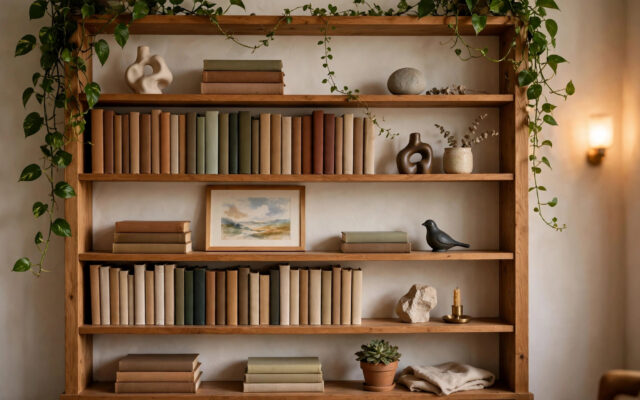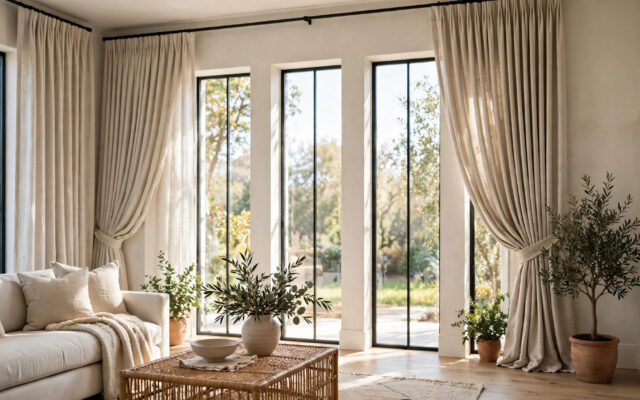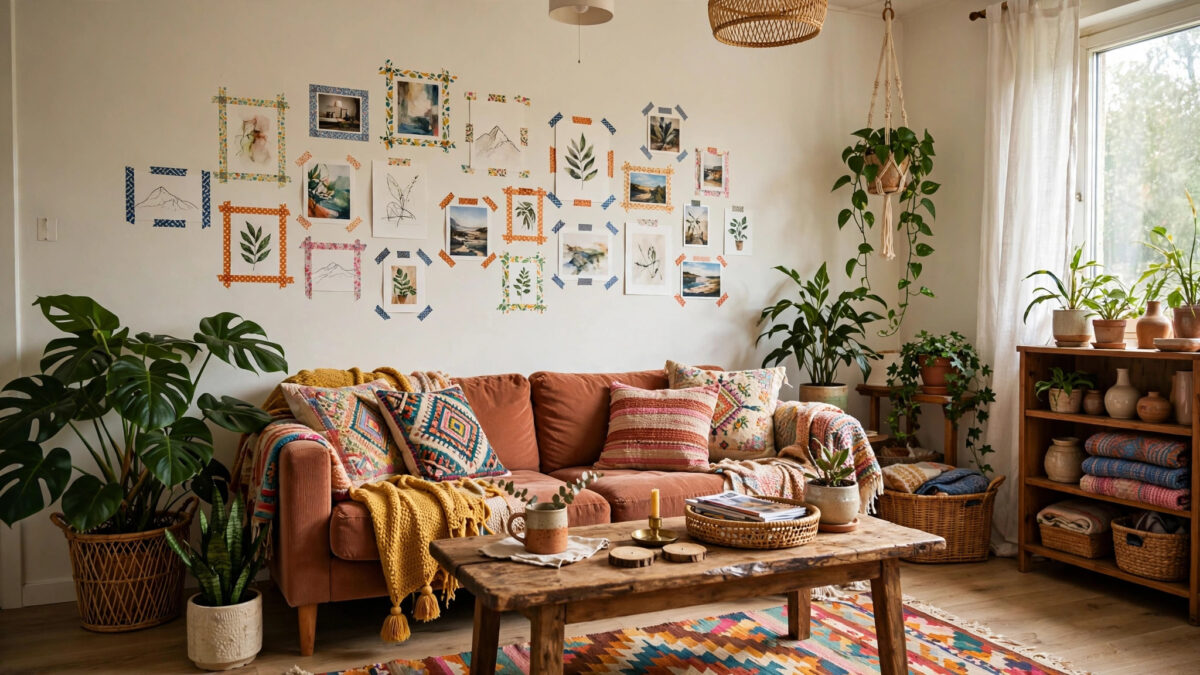
Renting does not have to mean living in limbo. Yet millions of renters treat their apartments as temporary waystations — bare walls, minimal furniture, nothing personal — waiting for some future owned home to deserve their decorating energy. The result is years spent in spaces that never quite feel like theirs, which is a quiet tax on everyday happiness.
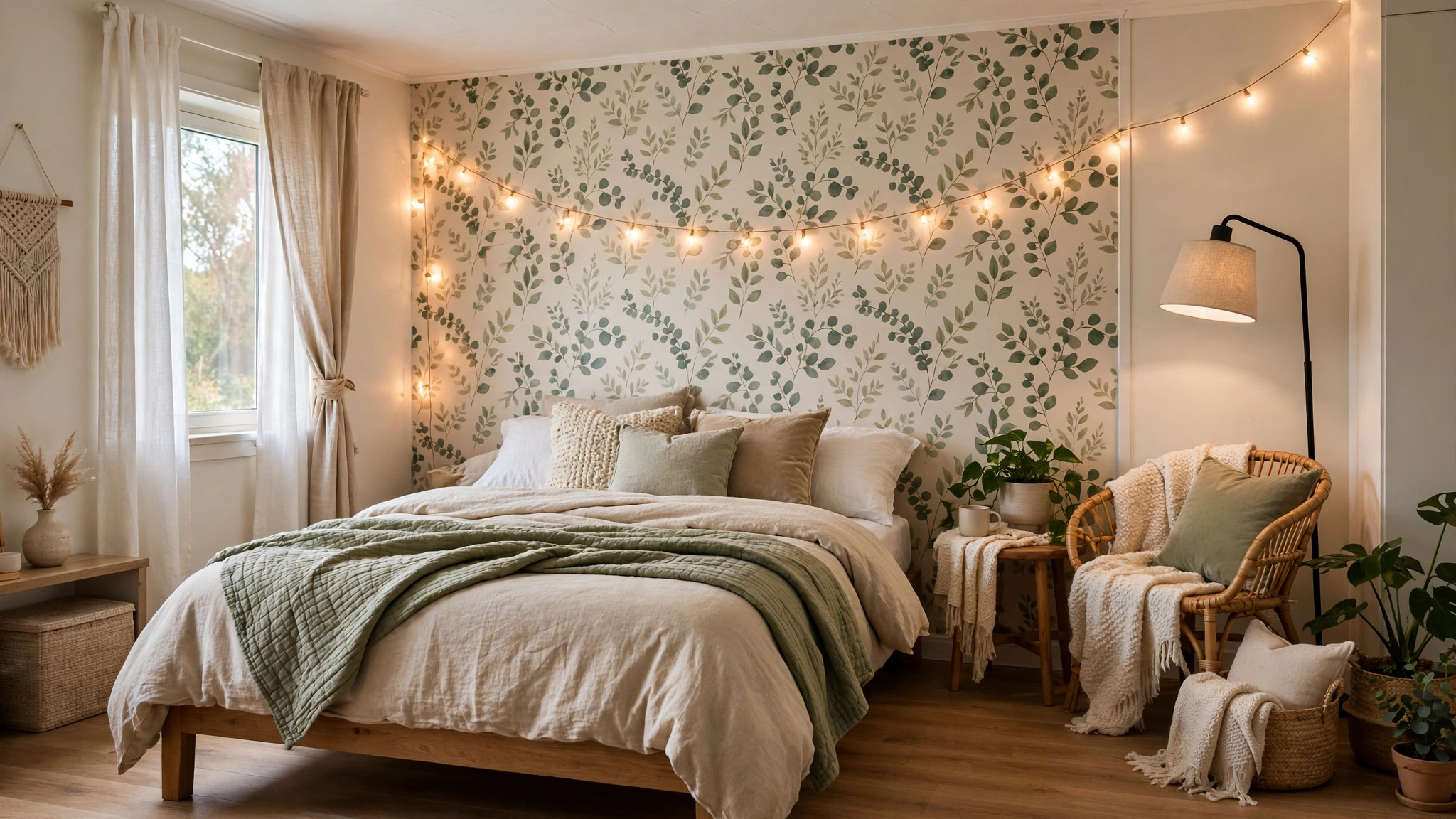
The hesitation is understandable: why invest in a place you might leave, especially when your lease threatens your deposit if you damage anything? But “feeling like home” and “getting your deposit back” are not opposites. There is a wide, well-tested middle ground of renter-friendly upgrades — most of them removable, many of them cheap — that make a rental feel deeply personal while leaving the property exactly as you found it.
This guide covers the full playbook: the ground rules for protecting your deposit, high-impact changes for every room, the removable products that make it all possible, and how to handle landlords, roommates, and move-out day like a pro.
The Ground Rules: Protect Your Deposit First
Everything in this guide rests on one principle: reversibility. Before any change, ask: “Can I undo this completely in under an hour on move-out day?” If yes, proceed. If no, get written landlord permission first — a quick email you can produce later if there is a dispute.
Read your lease’s alteration clause before you start. Most leases prohibit painting, drilling, and permanent fixtures but say nothing about removable wallpaper, freestanding furniture, or adhesive hooks — which is exactly the territory this guide operates in. When in doubt, ask. Landlords say yes to reasonable requests far more often than renters assume, especially when you frame it as an improvement you will maintain.
Document everything. On move-in day, photograph every wall, floor, appliance, and fixture in daylight, and email the photos to yourself (the timestamp matters). Do the same on move-out day after you have reversed your changes. This single habit resolves the vast majority of deposit disputes before they start, because it replaces memory with evidence.
Finally, know your local tenant rights. Many jurisdictions require landlords to return deposits within a set timeframe, provide itemized deductions, and limit what counts as chargeable “damage” versus normal wear and tear. A landlord cannot legally charge you for faded paint or worn carpet from ordinary use. Knowing the rules makes you a confident, calm negotiator if deductions are ever disputed.
Walls: The Biggest Transformation, Zero Paint Required
Blank walls are the number-one reason rentals feel temporary. Fortunately, walls are also where removable products shine brightest.
Peel-and-stick wallpaper is the renter’s superpower. Modern versions go up like a giant sticker, reposition easily during installation, and peel off cleanly when you leave. One accent wall — behind the bed, behind the sofa — delivers 80 percent of the drama of a full room for a fraction of the cost and effort. Choose patterns with personal meaning rather than trendy prints you will tire of; you will look at this wall every day.
Washi tape and removable decals handle everything else: geometric tape borders, framed-look rectangles, playful shapes in a kids’ room. They cost almost nothing, apply in minutes, and remove without residue. For art, skip nails entirely — adhesive picture-hanging strips hold surprising weight and remove cleanly, while leaning large frames on mantels, shelves, and the floor creates a relaxed gallery look with zero wall contact.
If your heart is set on real paint, ask. Many landlords approve a fresh coat in a neutral color — some even appreciate it — and a written “yes” turns painting from a lease violation into an asset. If painting is approved, keep the original paint color’s name and formula (ask the landlord or check with the property manager) so you can restore it exactly at move-out.
Floors: Warmth Without Renovation
Rental flooring — beige carpet, tired vinyl, cold tile — sets a depressing baseline. But floors are easy to transform reversibly. A large area rug is the single fastest way to warm up a room: it defines zones in open layouts, adds color and texture, and protects the underlying floor from the wear that actually threatens deposits. Size it generously — a rug that floats in the middle of the room looks worse than none; front legs of furniture should sit on it.
For hard floors you hate, peel-and-stick floor tiles offer a dramatic, fully removable upgrade in kitchens and bathrooms. Modern versions convincingly mimic marble, terrazzo, and encaustic tile, install in an afternoon, and peel up at move-out. Test one tile in an inconspicuous spot first to confirm clean removal on your specific flooring.
Layer rugs over wall-to-wall carpet too — it sounds odd, but a flat-weave rug over rental carpet adds pattern and definition while protecting high-traffic areas. Just use a rug pad designed for carpet to prevent slipping and bunching.
Lighting: The Mood Makeover
Overhead “boob lights” and harsh fluorescents are a rental rite of passage, and they make even nice furniture look bad. The fix is layers: turn off the overheads and light rooms with floor lamps, table lamps, and string lights instead. Warm bulbs (2700K) in multiple small sources create the cozy, flattering glow that makes a space feel like home.
Swap ugly overhead fixtures only if you are comfortable and permitted — always store the original fixture carefully and reinstall it at move-out. A safer universal upgrade: replace harsh bulbs with warm dimmable LEDs and add plug-in dimmer switches, which require no wiring. Peel-and-stick LED strips under kitchen cabinets or behind the TV add a custom, high-end feel for very little money and remove without a trace.
Curtains double as lighting control. Sheer white panels soften harsh daylight and make rooms feel finished; heavier panels (hung high and wide, per standard guidance) add privacy and coziness. Since hardware changes may be restricted, use the existing rod if there is one, or tension rods inside the frame as a fallback.
Furniture and Layout: Making It Yours
Renters often under-furnish, keeping things sparse “because it’s temporary.” Resist this. A well-furnished rental feels like home; a sparse one feels like a waiting room. Invest in versatile, move-friendly pieces: a comfortable sofa, a real dining table (not a folding card table — shared meals make a home), proper bedside tables, and bookshelves that show who you are.
Choose furniture that moves well: modular shelving, nesting tables, lightweight armchairs, and pieces that disassemble. Avoid anything that must be wall-anchored unless your landlord approves — instead, use freestanding bookcases and secure top-heavy items with removable anti-tip straps if you have small children.
Define zones in open or awkward layouts with rugs, lighting, and furniture placement rather than construction. A reading corner needs only an armchair, a floor lamp, and a small rug to feel like a destination. Room dividers — folding screens, open shelving units, tall plants — create privacy and structure without touching a wall.
Kitchen and Bathroom: Small Rooms, Big Feelings
You use these rooms every day, so small upgrades pay daily dividends. In the kitchen: replace cabinet hardware (store the originals in a labeled bag), add a peel-and-stick backsplash, use a rolling cart for extra storage and style, and decant staples into matching jars — visual order makes even dated kitchens feel intentional. A washable runner rug adds warmth to cold tile.
In the bathroom: a new shower curtain, matching towels and bath mat, a wooden bath caddy, and decanted soaps in simple dispensers transform the most depressing rental bathroom in under an hour. Add a small plant that tolerates humidity, like a pothos or fern. Over-the-door hooks and freestanding storage solve the eternal rental-bathroom storage shortage without drilling.
For both rooms, contact paper is the quiet hero: marble-look contact paper on dated countertops, wood-look on a scratched table, patterned on drawer interiors. It is cheap, surprisingly convincing, and fully removable — just apply carefully to avoid bubbles, and test removal on a hidden spot first.
The Personal Layer: What Actually Makes It Home
Here is the truth most decor guides bury: what makes a place feel like home is not the furniture — it is the evidence of your life. Photos of people you love, art that means something to you, books you have actually read, the weird souvenir from a trip, textiles in colors that make you happy. Rentals feel temporary when they look like no one lives there.
So display your things generously. Fill the shelves with your books and objects. Hang your art with adhesive strips. Put the cozy throw you love on the sofa instead of saving it “for the real house.” Cook real meals, invite people over, establish rituals — Sunday pancakes, Friday movie night, morning coffee in the good chair. A home is built from habits as much as from objects, and habits work in rentals just as well as anywhere else.
Plants deserve special mention: living things transform a space’s energy like nothing else. Even two or three easy plants — a snake plant, a pothos, a ZZ plant — make a rental feel alive and cared for. They are also the rare decor that moves with you effortlessly.
Working With Landlords (and Roommates)
A good landlord relationship is worth more than any decor trick. Communicate proposed changes in writing, frame them as improvements you will maintain, and offer to restore everything at move-out. Keep a folder — digital or physical — of every permission, receipt, and before/after photo. When renewing a lease, this documented history of care makes you the tenant landlords want to keep, which is leverage for everything from rent negotiations to further improvement approvals.
With roommates, agree on shared-space changes upfront and split costs for common areas. Nothing poisons a rental faster than one person’s “improvement” becoming another’s grievance. A quick shared note or chat thread for proposed changes prevents most conflicts.
Move-Out Day: Getting Every Dollar Back
Start reversing changes two to four weeks before move-out, not the night before. Remove wallpaper and decals slowly with heat (a hairdryer softens adhesive), patch any tiny holes with spackle, touch up paint if you painted, deep-clean everything including appliances and baseboards, and reinstall original fixtures and hardware. Then photograph everything again in daylight.
Do a walkthrough with the landlord if possible, and bring your move-in photos for comparison. If deductions are proposed, ask for itemization and compare against your documentation and local wear-and-tear standards. Dispute unreasonable charges in writing, citing your evidence and local deposit law. Most disputes settle once a tenant shows organized proof — landlords know which deductions would not survive scrutiny.
A $300 Rental Refresh: Maximum Impact, Minimum Spend
To prove how far reversibility goes on a budget, here is a complete one-bedroom rental transformation for around $300. Walls ($70): one roll of peel-and-stick wallpaper for a bedroom accent wall, plus a pack of adhesive picture strips to hang existing art and photos. Lighting ($60): two warm LED floor/table lamps from a budget retailer and a set of plug-in string lights. Textiles ($90): a large flat-weave area rug on sale, two cushion covers, and a cozy throw. Life ($50): three easy plants in simple pots and a cluster of candles. Kitchen/bath ($30): matching soap dispensers, a new shower curtain, and contact paper for one dated countertop.
Total: roughly $300, one weekend of work, zero lease violations, and every single item either moves with you or peels off cleanly. The apartment will not just look better — it will feel like a deliberate, personal home rather than a temporary stop. That feeling, repeated every day for the length of your tenancy, is an extraordinary return on $300. Start with whichever room bothers you most; momentum does the rest.
Frequently Asked Questions
Can I paint my rental apartment?
Only with written landlord permission. Many landlords approve neutral colors, and some appreciate the refresh. If approved, keep the original paint color information so you can restore it at move-out. If not approved, peel-and-stick wallpaper and large art achieve most of the same effect reversibly.
What is the best renter-friendly alternative to drilling holes?
Adhesive picture-hanging strips for art and lightweight shelves, over-the-door hooks, tension rods, freestanding furniture, and leaning large frames. Modern adhesive strips hold surprising weight and remove cleanly when used as directed — follow the weight limits and surface instructions carefully.
How do I make a rental feel cozy without spending much?
Warm layered lighting, textiles (throws, cushions, rugs), plants, and personal items like photos and art deliver the most coziness per dollar. These are also the easiest things to take with you when you move, so the investment is never wasted.
Will peel-and-stick wallpaper damage walls?
Quality products from reputable brands remove cleanly from properly primed and painted walls when removed slowly, ideally with gentle heat. Test in an inconspicuous spot first, avoid applying over flat/matte paint that has not cured or over damaged walls, and follow the manufacturer’s removal instructions. Cheap no-name products are where horror stories come from.
How do I get my full security deposit back?
Photograph everything at move-in and move-out, reverse all changes, patch small holes, deep-clean thoroughly, reinstall original fixtures, and do a walkthrough with documentation in hand. Know your local deposit laws regarding timelines, itemized deductions, and wear versus damage. Organized evidence wins disputes.
Should I invest in good furniture if I rent?
Yes — buy versatile, move-friendly pieces you will keep for years across multiple homes. A good sofa, solid dining table, and quality mattress improve daily life regardless of who owns the walls. Avoid built-ins and anything that cannot move with you; favor modular, lightweight, disassemblable designs.
My landlord forbids even removable changes. What can I do?
Focus on what no lease can restrict: freestanding furniture, rugs, lighting (plug-in lamps need no permission), textiles, plants, and how you arrange and style what you own. A thoughtfully furnished, well-lit room with personal objects feels like home even with untouched walls. And keep the conversation open — landlords who see a caring, long-term tenant often relax restrictions at renewal time.
How far in advance should I start reversing changes before moving out?
Begin two to four weeks before move-out day. Wallpaper and decal removal is the slowest job — rushing it risks wall damage — so start there. Patching, touch-up paint, and deep cleaning follow in the final week. A calm, staged reversal beats a frantic last-night scramble every time, and landlords notice the difference during the walkthrough.
Final Thoughts
Your rental is not a waiting room — it is your home right now, today, for as long as you live there. The months and years you spend in a space deserve to feel good, and making that happen does not require risking your deposit or waiting for a deed with your name on it. Pick the reversibility rule, start with walls and light, layer in the personal things that make you you, and document everything. When you eventually move — to another rental or to a home you own — you will take the habits, the pieces you love, and the full deposit with you. Home was never about the lease type. It was always about how you live in the space.